


Dental sealants are a preventive dental treatment designed to protect the chewing surfaces of back teeth from tooth decay. The molars and premolars located at the back of the mouth contain natural grooves and pits that can trap food particles and bacteria. These areas are often difficult to clean thoroughly with a toothbrush, making them more susceptible to cavities. At Hewson & Ollio, PC, dental sealants in Morrisville, PA 19067 are applied to these surfaces to create a protective barrier that helps prevent decay.
Tooth decay frequently begins in the deep grooves of molars where plaque can accumulate. Even with consistent brushing and flossing, these grooves may remain vulnerable to bacteria that produce acids capable of weakening enamel. Dental sealants work by sealing these grooves with a thin protective coating, preventing food debris and bacteria from entering the small crevices of the tooth surface.
Sealants are typically recommended as part of preventive dental care and are commonly applied to permanent molars soon after they emerge. However, adults with deep grooves in their molars may also benefit from this treatment. The procedure is simple and designed to provide long-lasting protection against cavities.

Purpose of Dental Sealants in Preventive Dentistry
Dental sealants are used to protect areas of the teeth that are naturally more vulnerable to decay. By sealing the grooves of molars and premolars, this preventive treatment reduces the likelihood that plaque and bacteria will accumulate in these spaces.
Protection of Chewing Surfaces
The chewing surfaces of molars contain deep fissures that can easily trap food particles. Sealants cover these grooves with a smooth layer that prevents bacteria from settling in these areas.
Reduction of Cavity Formation
Because sealants create a barrier over the enamel surface, they help prevent acids produced by bacteria from reaching the enamel and causing cavities.
Long-Term Tooth Preservation
By protecting molars from decay, sealants support the long-term health of these teeth. Healthy molars are important for proper chewing and maintaining the alignment of surrounding teeth.
Dental Sealant Application Process
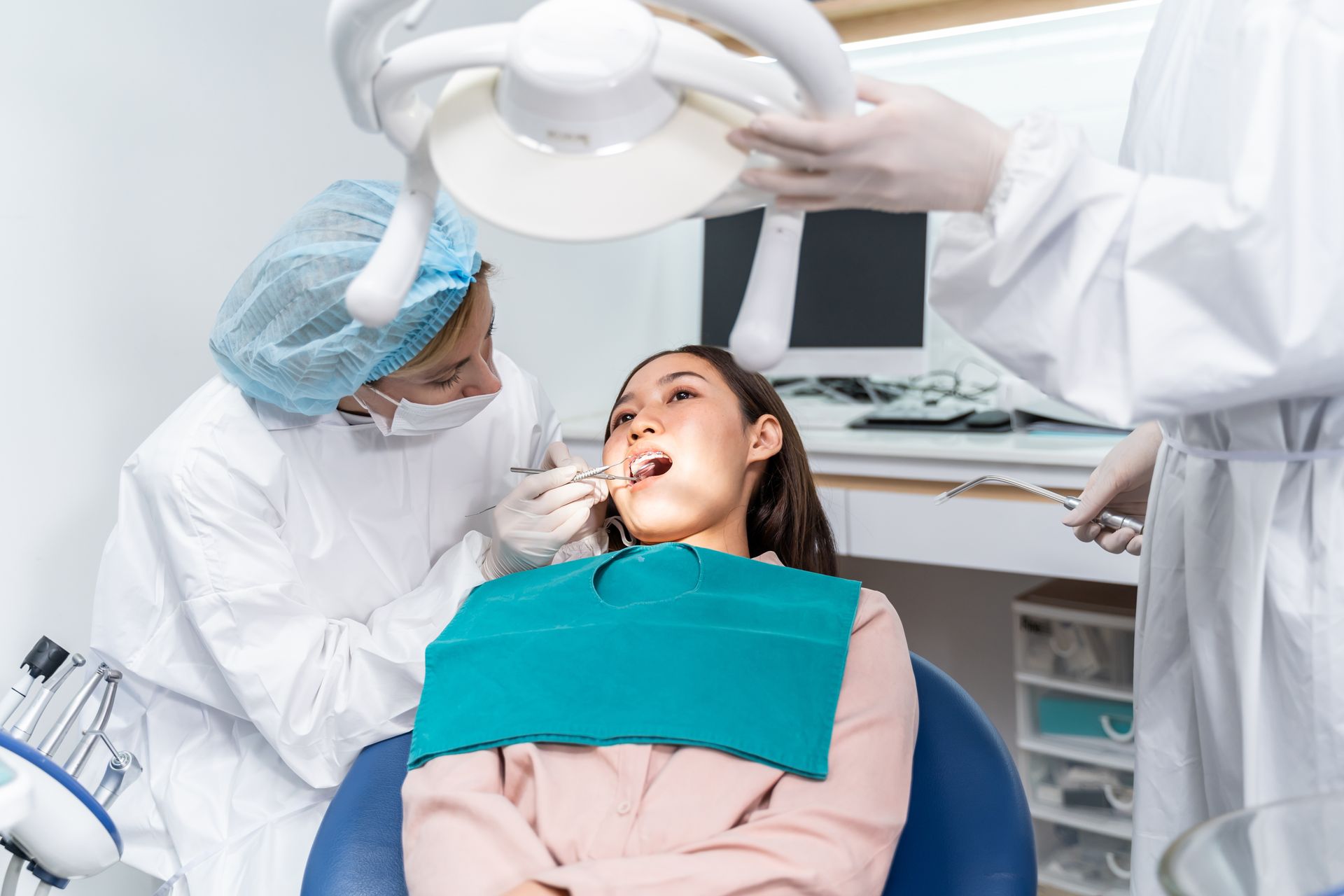
The process of applying dental sealants is straightforward and can be completed during a routine dental visit. The procedure focuses on preparing the tooth surface and ensuring that the sealant material adheres securely.
Tooth Preparation
Before applying the sealant, the tooth is thoroughly cleaned to remove plaque and debris from the grooves and chewing surfaces.
Surface Conditioning
A mild conditioning solution is applied to the tooth to prepare the enamel surface. This step creates a slightly rough texture that helps the sealant bond effectively to the tooth.
Sealant Placement and Hardening
Once the tooth surface is prepared, the sealant material is applied directly to the grooves of the molar. A curing light may be used to harden the sealant and secure it in place.
Materials Used in Dental Sealants
Dental sealants are made from specialized dental materials designed to adhere to enamel and withstand the pressure created during chewing. These materials form a protective coating over the tooth surface.
Resin-Based Sealants
Resin sealants are commonly used because they bond strongly to tooth enamel and provide effective protection against decay. These materials flow easily into the grooves of the tooth before hardening.
Protective Enamel Barrier
Once the sealant material hardens, it forms a durable barrier that prevents bacteria and food particles from entering the tooth’s natural grooves.
Durable Coating for Molars
Sealants are designed to withstand everyday chewing forces. Although they are thin, they provide reliable protection for the vulnerable areas of molars.
Monitoring and Maintenance of Sealants
Dental sealants are designed to remain in place for several years, but they are monitored during routine dental visits to ensure they continue to protect the teeth effectively.
Routine Sealant Evaluation
During dental checkups, the dentist examines the sealants to confirm that they remain intact and properly attached to the tooth surface.
Repair or Replacement if Necessary
If a sealant becomes worn or chipped, it can be repaired or replaced to maintain protection for the tooth.
Integration with Preventive Care
Sealants are often applied as part of a preventive dental care plan that also includes dental cleanings, fluoride treatments, and regular oral examinations.
Supporting Long-Term Tooth Health
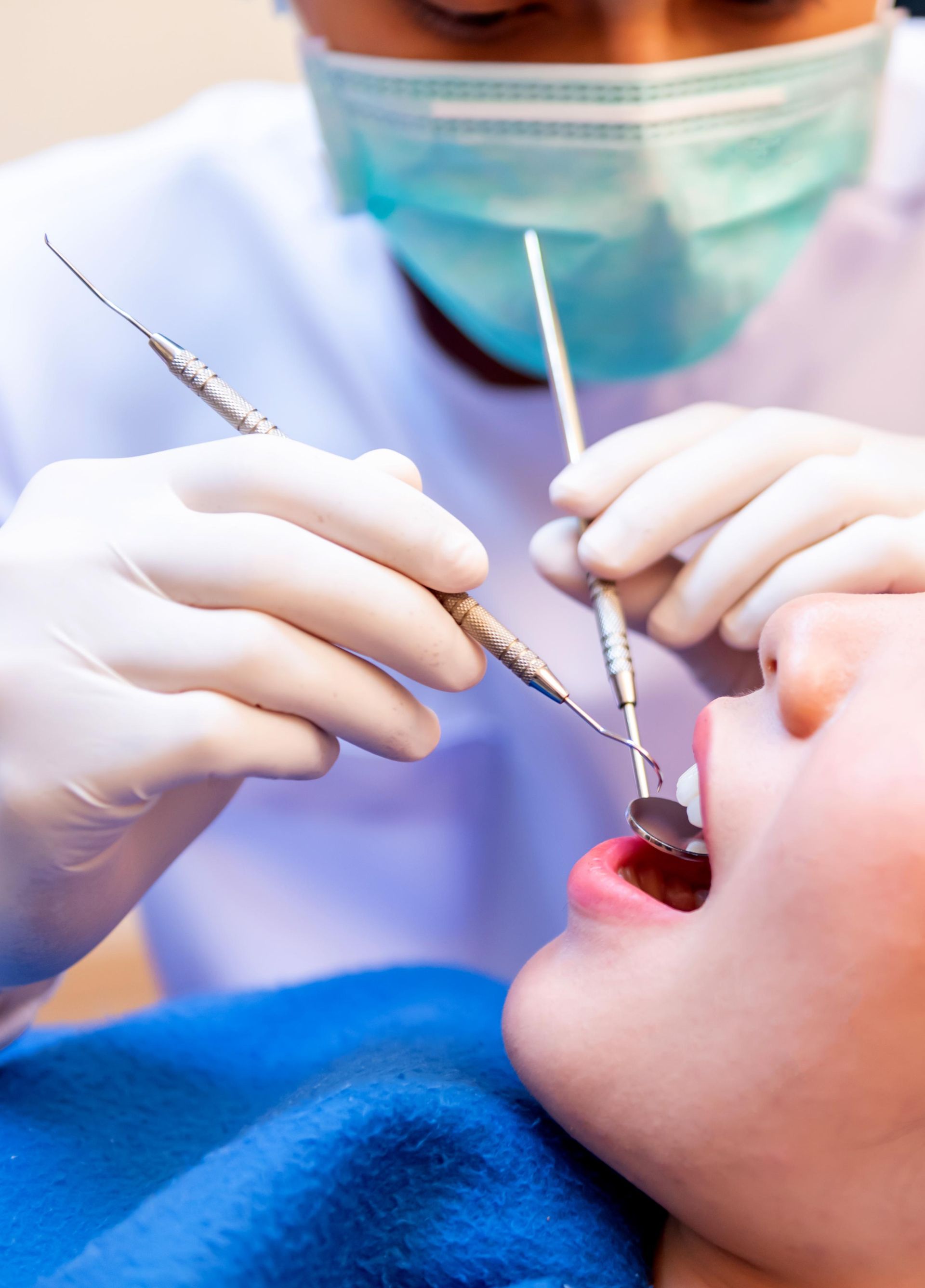
The molars play a major role in chewing and are often exposed to significant pressure and food contact. Protecting these teeth from cavities is an important part of maintaining overall oral health.
Protecting Teeth During Early Development
Sealants are frequently applied soon after permanent molars erupt. Applying sealants early helps protect these teeth during the years when cavities are most likely to develop.
Reducing Plaque Accumulation
By sealing the grooves of molars, sealants reduce the areas where plaque and bacteria can accumulate. This makes it easier to maintain proper oral hygiene.
Maintaining Natural Tooth Structure
Preventing cavities helps preserve the natural structure of the tooth. Sealants support long-term dental health by reducing the likelihood that restorative treatments will be required later.
Dental Sealants for Preventing Back Tooth Decay
Dental sealants provide a protective solution for the chewing surfaces of molars and premolars, where cavities commonly develop. By sealing deep grooves and pits, this treatment helps prevent bacteria and food particles from accumulating on vulnerable tooth surfaces.
At
Hewson & Ollio, PC, dental sealants in Morrisville, PA 19067 are applied as part of preventive dental care to protect back teeth from decay. The sealant procedure creates a protective layer over molars, helping maintain healthy teeth and supporting long-term oral health.
