


Routine oral examinations are an essential component of maintaining long-term dental health. These checkups allow dentists to evaluate the condition of the teeth, gums, and surrounding oral structures while identifying potential concerns early. At Hewson & Ollio, PC, patients in Morrisville, PA 19067 receive thorough oral examinations designed to monitor dental health and detect changes that may require treatment or preventive care.
Regular dental checkups help track oral health over time and allow dentists to observe subtle changes that may indicate developing conditions such as tooth decay, gum disease, enamel wear, or oral infections. A routine oral examination is not limited to checking for cavities; it also includes a complete evaluation of the entire mouth, including the jaw, bite alignment, soft tissues, and bone structure.
By scheduling consistent dental checkups, patients maintain a clear understanding of their oral health status and ensure that any issues are addressed before they progress into more complex dental concerns.

Comprehensive Oral Health Evaluation
A routine dental checkup begins with a detailed evaluation of the teeth and gums. This examination allows the dentist to identify visible signs of decay, structural damage, or gum inflammation.
Tooth Condition Assessment
Each tooth is carefully examined for cavities, cracks, fractures, and signs of enamel erosion. Identifying these issues early allows treatment to be planned before damage progresses further.
Gum Tissue Evaluation
Healthy gums play an important role in supporting the teeth. During the examination, the dentist evaluates the gums for redness, swelling, bleeding, or signs of gum recession that may indicate early periodontal disease.
Bite and Jaw Alignment Review
The dentist may also assess how the upper and lower teeth come together when biting. Bite irregularities or jaw alignment concerns can contribute to uneven tooth wear, discomfort, or temporomandibular joint strain.
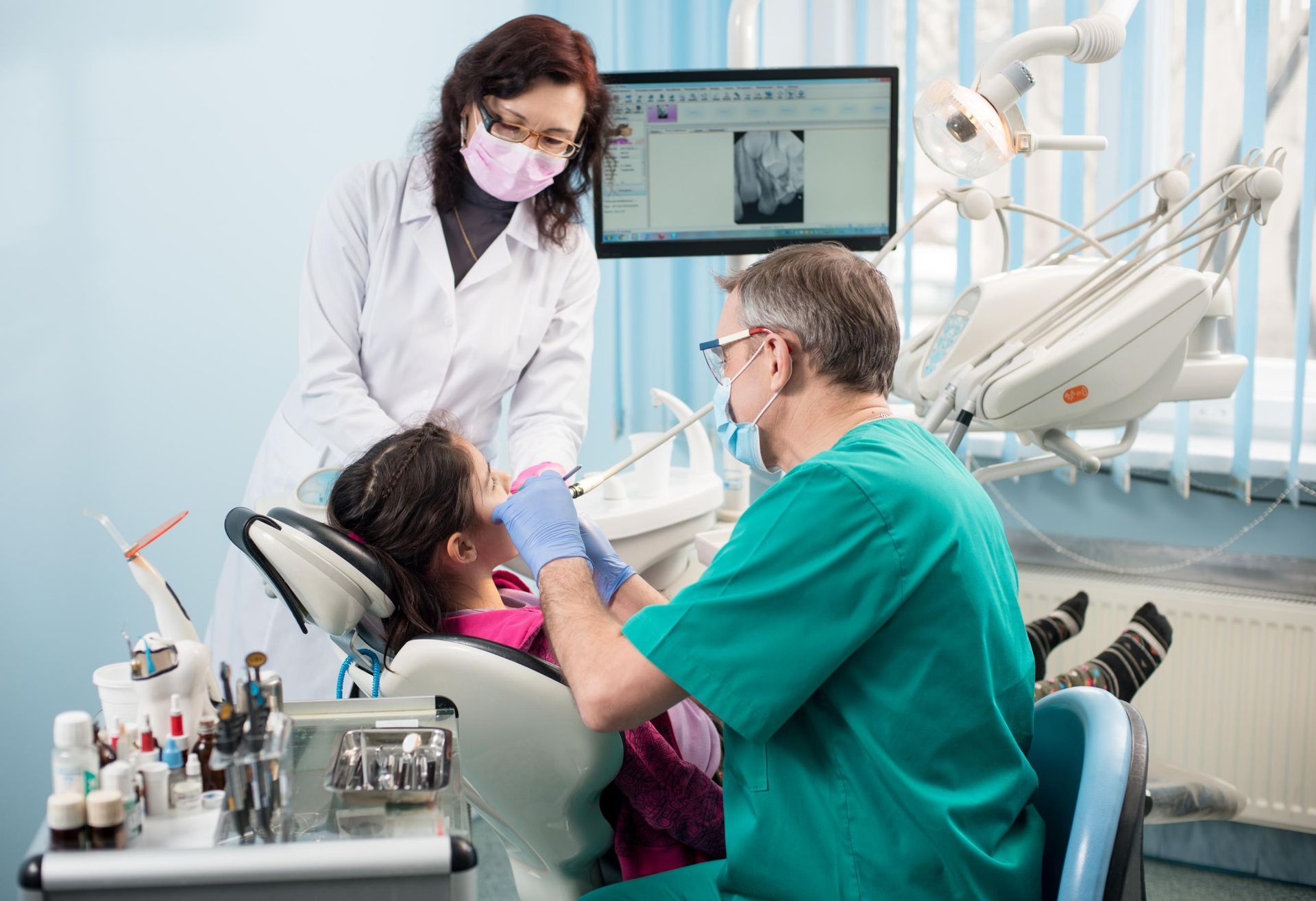
Digital Imaging and Diagnostic Tools
Dental examinations often include digital diagnostic tools that provide additional information about structures not visible during a visual inspection. These technologies help identify concerns beneath the surface of the teeth and gums.
Dental X-Ray Imaging
Digital X-rays allow the dentist to evaluate areas between teeth and beneath the gumline. They help detect cavities, impacted teeth, bone loss, and hidden infections that cannot be seen during a standard visual examination.
Monitoring Bone Health
X-ray imaging also allows dentists to evaluate the health and density of the jawbone that supports the teeth. Monitoring bone structure is important for identifying early signs of periodontal disease.
Diagnostic Record Tracking
Images and examination findings are stored as part of a patient’s dental records. These records allow the dentist to compare changes in oral health over time and evaluate how treatments or preventive care are affecting the teeth and gums.
Screening for Dental Conditions
Routine oral examinations help identify dental problems at early stages when treatment is often simpler and less invasive. These screenings focus on conditions that commonly affect teeth and oral tissues.
Early Detection of Tooth Decay
Small cavities can often develop without noticeable symptoms. Regular checkups allow dentists to identify decay before it spreads deeper into the tooth structure.
Gum Disease Screening
Dentists evaluate the gums for signs of gingivitis or early periodontal disease. Early-stage gum disease can often be managed with professional cleanings and improved oral hygiene practices.
Monitoring Tooth Wear and Damage
Teeth may experience wear due to grinding, clenching, or natural aging. During routine examinations, the dentist monitors the condition of the enamel and identifies areas that may require protection or treatment.
Oral Cancer Screening
An oral examination typically includes screening for abnormal tissue changes that could indicate oral cancer or other serious conditions. Early detection significantly improves treatment outcomes.
Soft Tissue Examination
The dentist examines the tongue, cheeks, gums, lips, and throat for unusual lesions, discoloration, or tissue abnormalities.
Identification of Suspicious Changes
Any unusual lumps, sores, or tissue changes are documented and evaluated further if necessary. Early investigation allows prompt referral or additional diagnostic testing when needed.
Ongoing Monitoring
For patients with previous oral abnormalities or risk factors, routine examinations allow dentists to monitor changes in oral tissues over time.
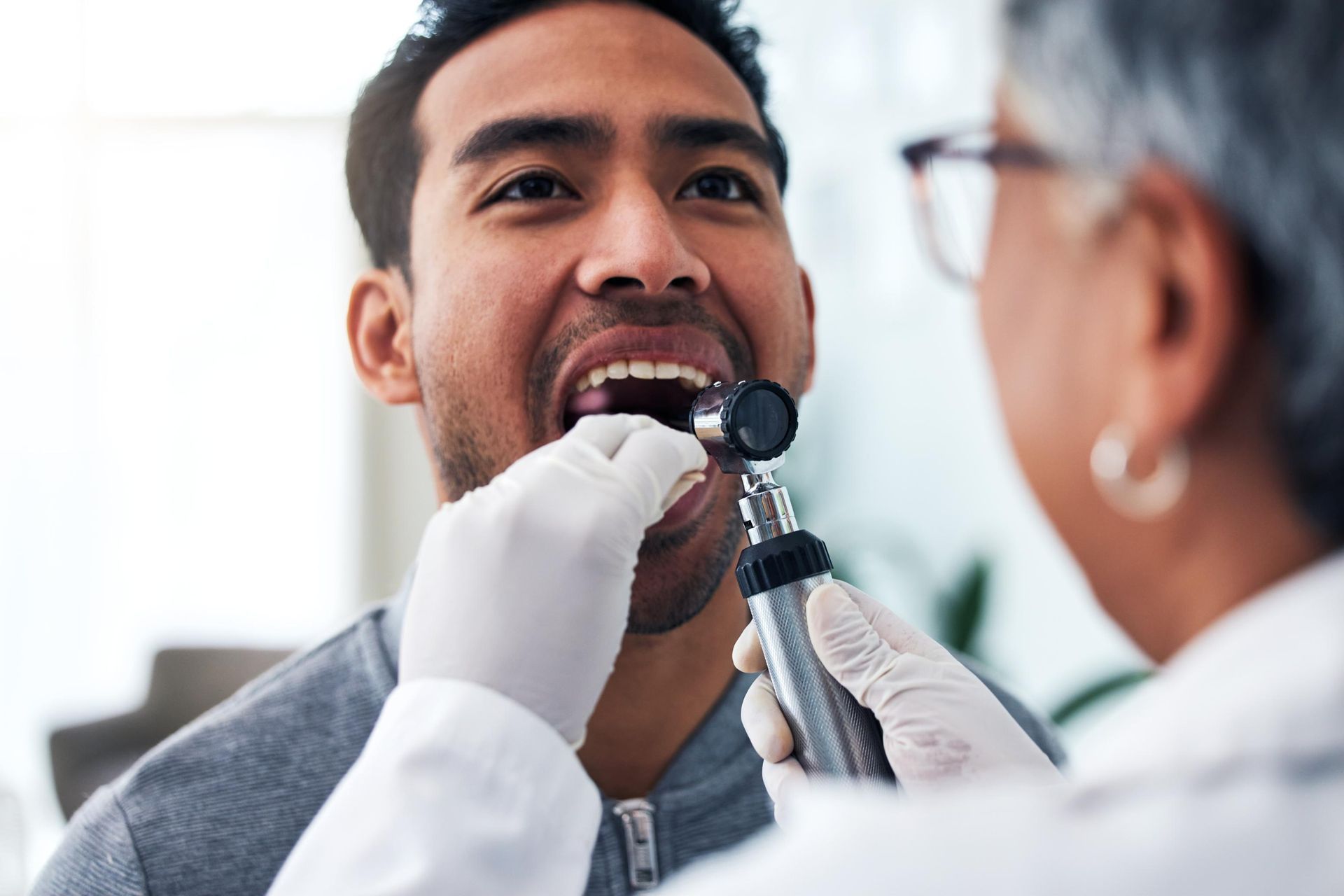
Preventive Monitoring and Oral Health Guidance
Dental checkups also provide an opportunity to review oral hygiene habits and identify factors that may affect long-term dental health. Preventive guidance helps patients maintain strong teeth and healthy gums between visits.
Review of Oral Hygiene Practices
Dentists evaluate how effectively plaque is being removed during daily brushing and flossing routines. Recommendations may be provided to improve oral hygiene techniques.
Identification of Risk Factors
Certain habits, including tobacco use, grinding teeth, or frequent consumption of sugary or acidic foods, can affect oral health. During a routine checkup, dentists discuss factors that may contribute to tooth decay or gum disease.
Personalized Preventive Recommendations
Based on examination findings, the dentist may recommend preventive treatments such as fluoride application, dental sealants, or more frequent cleanings to support oral health.
Routine Dental Checkups for Ongoing Oral Health
Routine oral examinations allow dentists to maintain a clear understanding of a patient’s dental health and identify potential issues early. These assessments provide important insight into the condition of teeth, gums, and surrounding structures while supporting preventive dental care.
At
Hewson & Ollio, PC, patients in Morrisville, PA 19067 receive detailed oral examinations that include visual assessments, digital imaging, and preventive screenings. Regular dental checkups help ensure that oral health is consistently monitored and that developing concerns are addressed before they become more complex dental conditions.
