


Fluoride treatment is a preventive dental procedure designed to strengthen tooth enamel and reduce the risk of tooth decay. Fluoride is a naturally occurring mineral that supports the remineralization of teeth by restoring essential minerals to weakened enamel. At Hewson & Ollio, PC, fluoride treatment in Morrisville, PA 19067 is provided as part of preventive dental care to help protect teeth from cavities and enamel erosion.
Throughout daily activities such as eating and drinking, teeth are exposed to acids produced by bacteria in the mouth. These acids gradually remove minerals from the enamel, a process known as demineralization. When enamel loses minerals, it becomes weaker and more vulnerable to decay. Fluoride treatments help counteract this process by reinforcing enamel and supporting the natural remineralization cycle of the teeth.
Professional fluoride application during a dental visit delivers a higher concentration of fluoride than what is typically found in toothpaste or mouth rinses. This targeted treatment helps strengthen enamel surfaces and supports long-term protection against cavities.
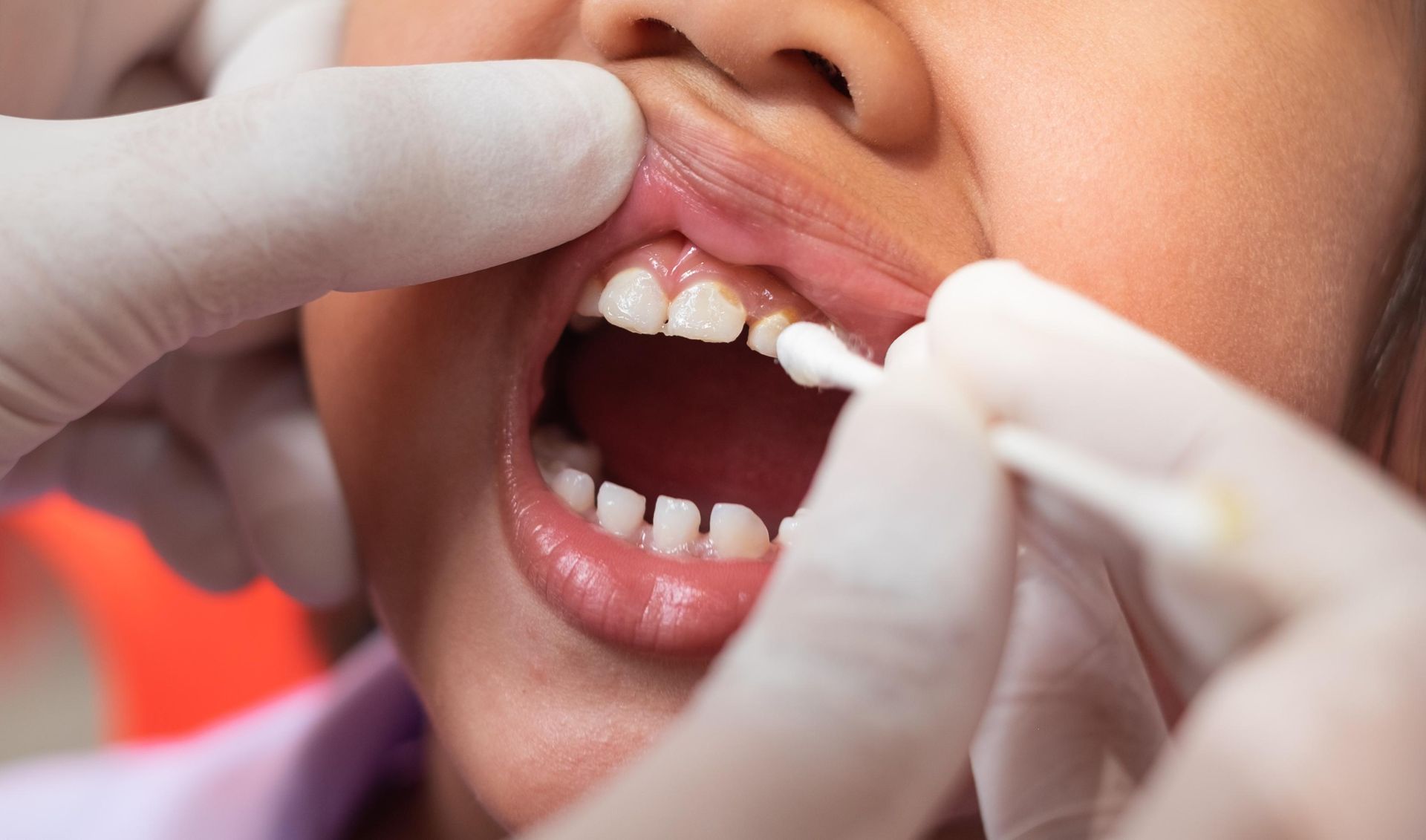
Role of Fluoride in Dental Health
Fluoride plays an important role in maintaining strong teeth and preventing dental decay. It supports enamel health by interacting with the minerals that make up the tooth structure.
Remineralization of Enamel
When tooth enamel begins to lose minerals due to acid exposure, fluoride helps restore these minerals to the enamel surface. This remineralization process strengthens the enamel and helps repair early stages of enamel damage.
Increased Resistance to Acid
Fluoride-treated enamel becomes more resistant to the acids produced by oral bacteria. This added resistance reduces the likelihood that acids will weaken the enamel and lead to cavities.
Slowing the Growth of Bacteria
Fluoride also affects the activity of bacteria that contribute to tooth decay. By interfering with bacterial metabolism, fluoride helps reduce acid production that damages enamel.
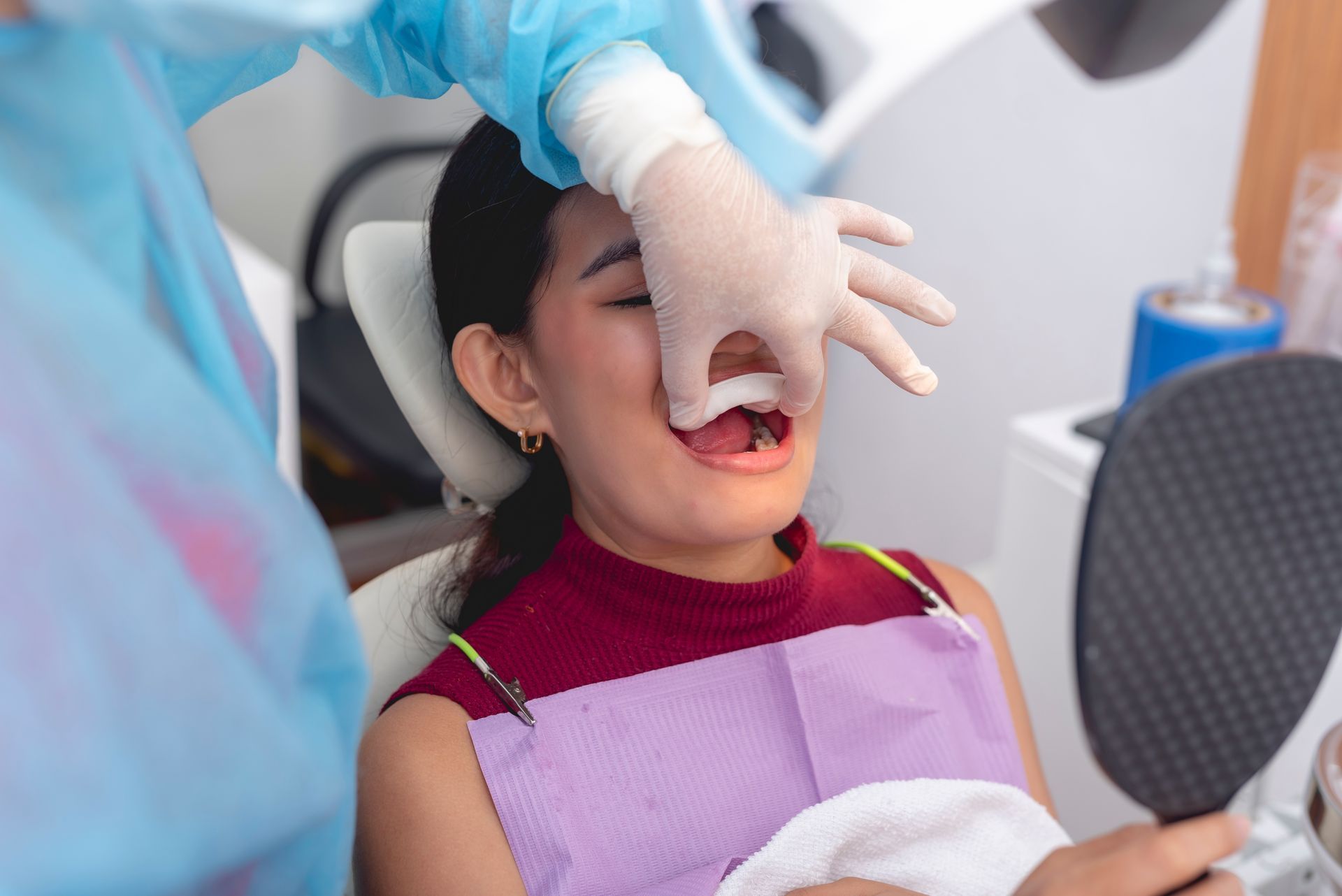
Professional Fluoride Treatment Procedure
Fluoride treatments are typically performed during routine dental visits following a dental cleaning. The procedure is quick and designed to deliver concentrated fluoride directly to the teeth.
Preparation of Teeth
Before fluoride is applied, the teeth are cleaned to remove plaque and debris. This ensures that the fluoride can make direct contact with the enamel surface.
Fluoride Application
The dentist or dental hygienist applies fluoride using a gel, foam, varnish, or liquid solution. The material is placed onto the teeth using a small brush, tray, or applicator designed for even coverage.
Absorption into Enamel
Once applied, the fluoride begins to penetrate the enamel surface. Patients are usually advised to avoid eating or drinking for a short period of time to allow the fluoride to fully absorb.
Types of Professional Fluoride Applications
Dental offices use several types of fluoride treatment depending on the patient’s needs and the method preferred by the dental provider.
Fluoride Varnish
Fluoride varnish is a concentrated fluoride coating that is brushed directly onto the teeth. The varnish adheres to the enamel surface and gradually releases fluoride over time.
Fluoride Gel Treatment
Fluoride gel is commonly applied using a mouth tray that fits over the teeth. The gel remains on the teeth for a short period, allowing the fluoride to penetrate the enamel.
Fluoride Foam Application
Fluoride foam works similarly to gel but expands to cover the teeth more efficiently. This method allows the fluoride to reach various tooth surfaces during treatment.
Preventing Enamel Weakness and Tooth Decay
Fluoride treatment is used to help protect teeth against conditions that can lead to enamel weakening and cavities. Maintaining strong enamel is important for preventing tooth sensitivity and structural damage.
Protection Against Cavities
Fluoride strengthens the outer layer of the teeth, making it more difficult for decay-causing bacteria to penetrate the enamel.
Support for High-Risk Patients
Patients who are more prone to cavities may benefit from professional fluoride treatments during routine dental visits. Factors such as dry mouth, diet, and oral hygiene habits can increase the risk of tooth decay.
Reinforcing Areas of Early Enamel Damage
Fluoride can help strengthen areas of enamel that have begun to demineralize but have not yet developed into cavities. Early intervention helps prevent further enamel breakdown.
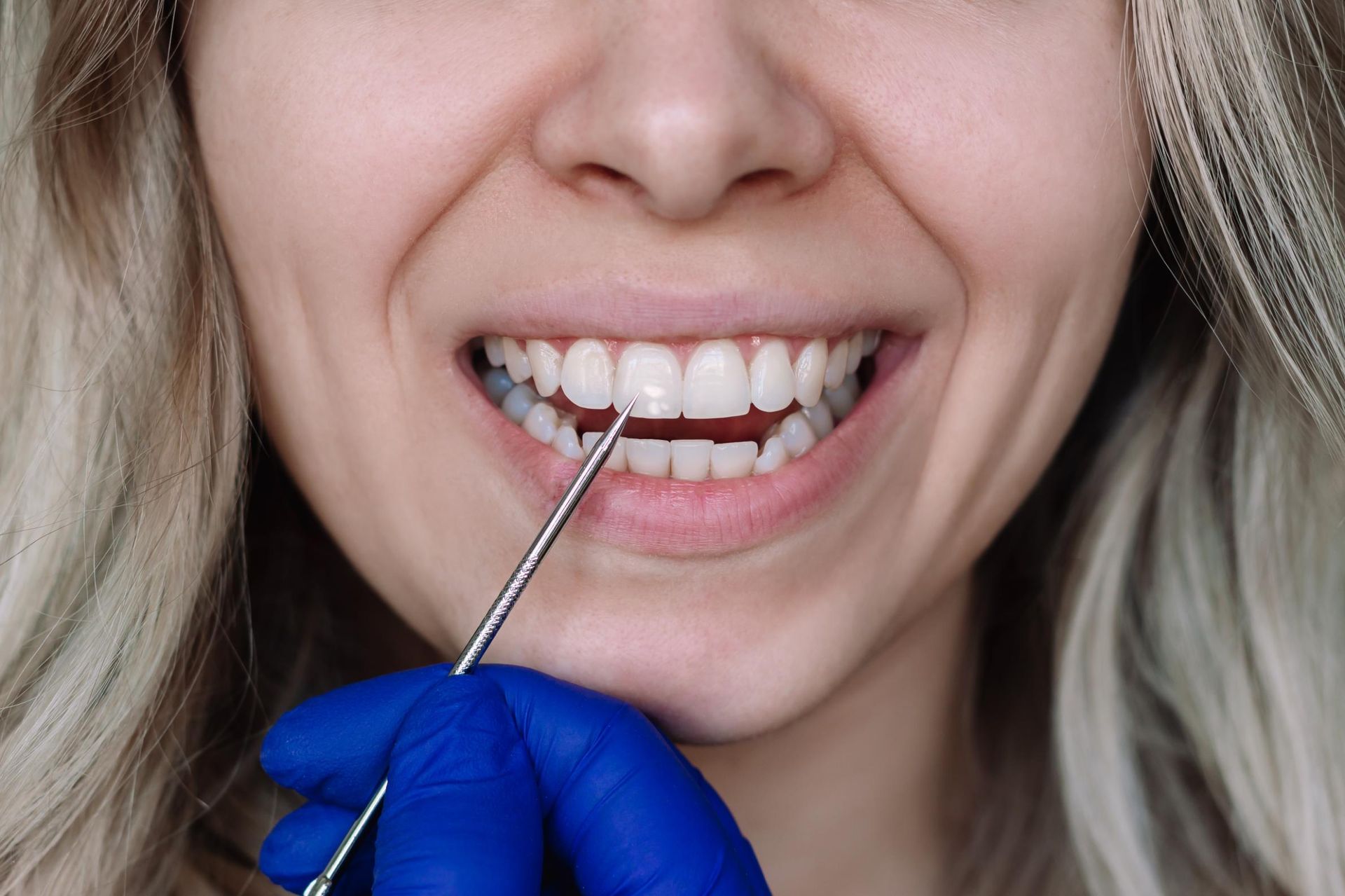
Fluoride Treatment as Preventive Dental Care
Fluoride treatments are a preventive measure used to support long-term oral health. By strengthening enamel and protecting teeth from decay, fluoride helps maintain the structural integrity of the teeth.
Supporting Routine Dental Care
Fluoride treatment is often combined with dental cleanings and oral examinations during routine checkups. This integrated approach supports overall preventive dentistry.
Maintaining Enamel Strength
Strong enamel acts as a protective barrier for the inner structures of the teeth. Fluoride helps maintain this protective layer and reduce the likelihood of enamel damage.
Long-Term Oral Health Monitoring
Regular dental visits allow dentists to evaluate whether fluoride treatments are appropriate for each patient based on their oral health status and risk factors for tooth decay.
Professional Fluoride Treatment for Enamel Protection
Fluoride treatment is an important preventive dental procedure that supports enamel strength and reduces the risk of cavities. By reinforcing tooth enamel and assisting with remineralization, fluoride helps protect teeth from daily acid exposure and bacterial activity.
At
Hewson & Ollio, PC, fluoride treatment in Morrisville, PA 19067 is provided as part of preventive dental care to strengthen enamel and maintain oral health. Professional fluoride applications during routine dental visits help protect teeth from decay and support long-term dental wellness.
