


Restorative dentistry focuses on repairing and rebuilding teeth that have been damaged by decay, injury, or structural wear. When a tooth becomes compromised, restorative treatments are used to restore its function, shape, and structural stability. At Hewson & Ollio, PC, restorative dentistry in Morrisville, PA 19067 includes a range of treatments designed to address damaged, weakened, or missing teeth while maintaining the natural structure of the smile.
Dental damage can occur for many reasons, including cavities, fractures, trauma, or long-term wear of tooth enamel. Restorative procedures are used to repair these problems and return the affected teeth to proper function. Depending on the condition of the tooth, treatment may involve fillings, crowns, bridges, or other restorative techniques.
Restorative dentistry also plays an important role in preventing further dental complications. Repairing damaged teeth helps prevent the spread of decay, protects surrounding teeth, and maintains proper bite alignment.
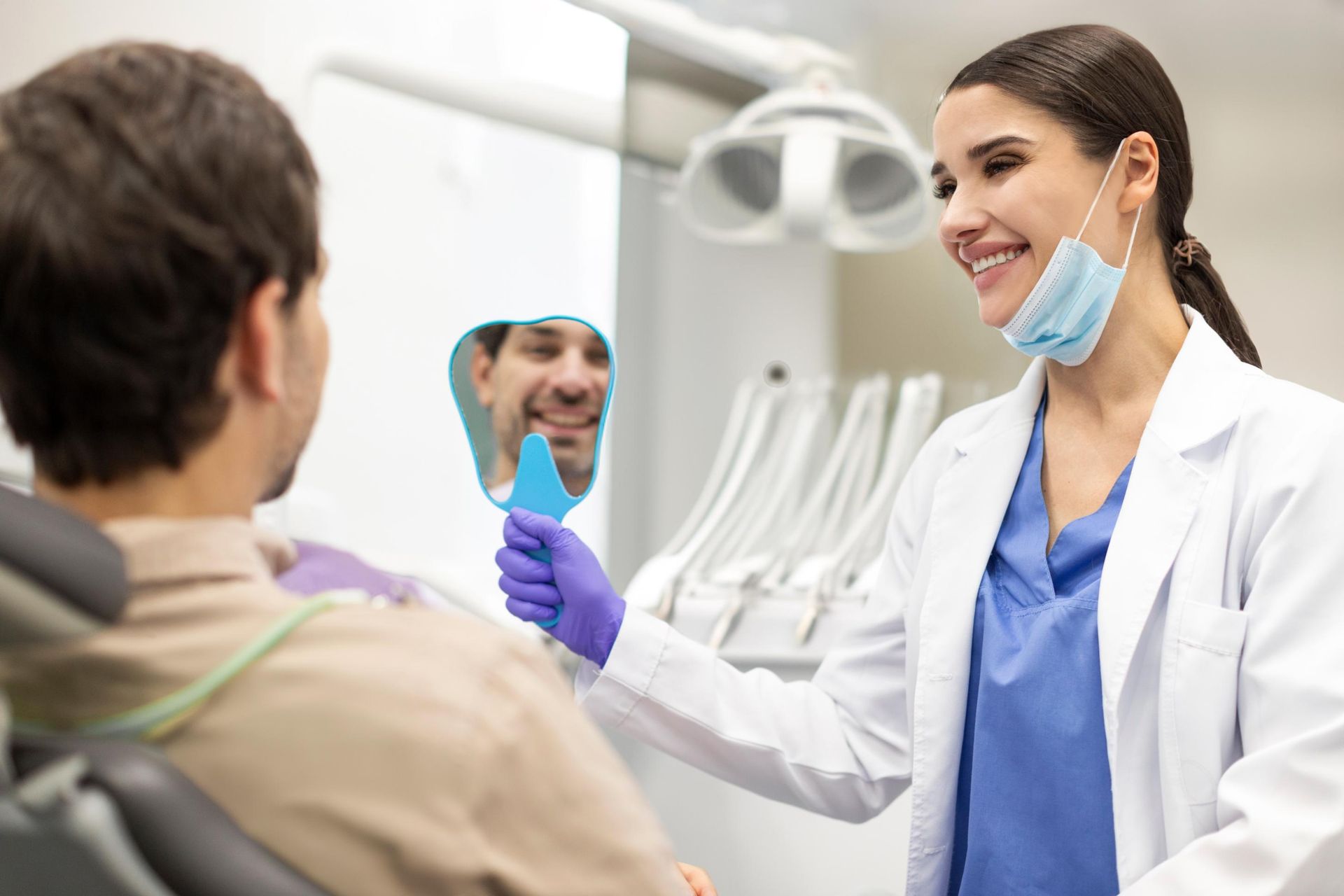
Dental Fillings for Cavity Repair
Dental fillings are one of the most common restorative procedures used to treat tooth decay. When a cavity forms, the damaged portion of the tooth must be removed and replaced with a restorative material to preserve the remaining structure.
Removal of Decayed Tooth Structure
The dentist begins by carefully removing the decayed portion of the tooth. Eliminating the infected area prevents bacteria from continuing to damage the tooth.
Placement of Filling Material
After the decay is removed, a filling material is placed into the cleaned cavity. The filling restores the shape and function of the tooth while protecting the interior structure from further bacterial exposure.
Restoration of Tooth Strength
Dental fillings help reinforce the tooth structure and restore the ability to chew normally. Once placed, the filling seals the area and prevents additional decay from developing in that location.
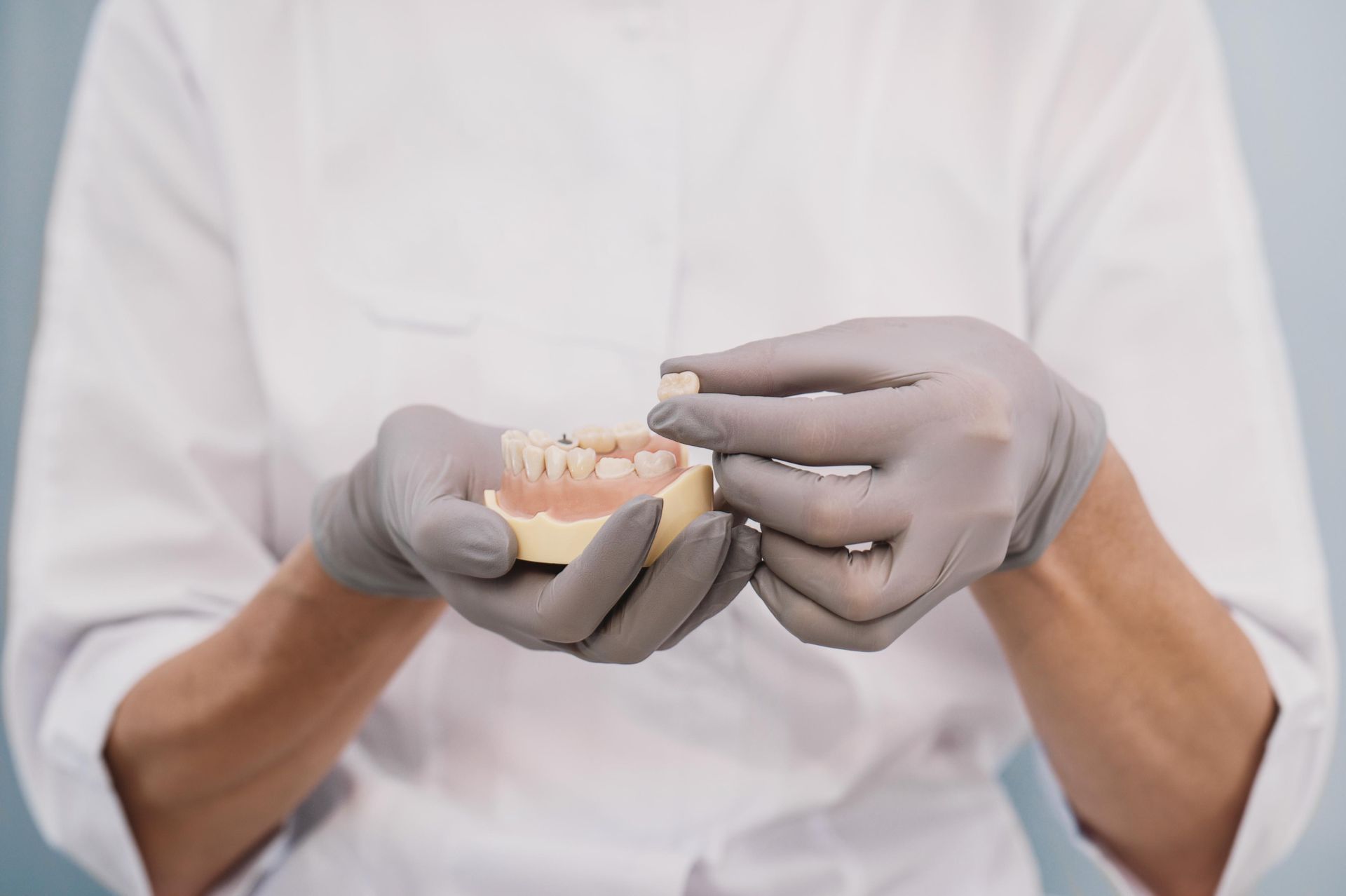
Dental Crowns for Structural Protection
When a tooth has extensive damage or significant decay, a dental crown may be recommended. A crown is a protective covering that fits over the entire visible portion of the tooth.
Coverage of Damaged Teeth
A dental crown encases the remaining tooth structure and protects it from further damage. This treatment is often used when a tooth is too weak to support a filling alone.
Restoration of Tooth Shape
Crowns are designed to replicate the natural shape of the tooth. Once placed, they allow the restored tooth to function normally during chewing and biting.
Reinforcement of Weakened Teeth
Teeth that have experienced fractures, large cavities, or previous dental procedures may require a crown for additional strength and protection.
Dental Bridges for Missing Teeth
Dental bridges are used to replace one or more missing teeth by connecting an artificial tooth to neighboring natural teeth or dental crowns.
Replacing Missing Tooth Structure
A bridge fills the gap left by a missing tooth, restoring both appearance and function. The artificial tooth is designed to resemble the natural tooth that was lost.
Stabilizing Adjacent Teeth
When a tooth is missing, surrounding teeth may gradually shift out of position. Dental bridges help maintain proper spacing and alignment by filling the empty space.
Supporting Normal Chewing Function
Replacing missing teeth with a bridge allows patients to chew food more comfortably and maintain balanced bite pressure across the teeth.
Tooth Repair for Cracks and Damage
Teeth may develop cracks or structural damage due to injury, grinding, or long-term wear. Restorative treatments can repair these problems and prevent them from worsening.
Repair of Minor Tooth Fractures
Small cracks or chips in teeth may be repaired using restorative materials that rebuild the damaged portion of the tooth.
Reinforcement of Compromised Teeth
When a tooth shows signs of structural weakness, restorative procedures help stabilize the tooth and prevent additional damage.
Prevention of Further Tooth Breakdown
Repairing damaged teeth early helps preserve the natural structure and prevents cracks from spreading deeper into the tooth.

Restoring Tooth Function and Oral Balance
Restorative dentistry is designed not only to repair individual teeth but also to maintain overall oral balance and functionality.
Maintaining Proper Bite Alignment
Damaged or missing teeth can affect the way the upper and lower teeth fit together. Restorative treatments help maintain proper bite alignment and reduce strain on surrounding teeth.
Protecting Surrounding Teeth
Repairing compromised teeth prevents bacteria from spreading to nearby teeth and helps maintain the stability of the entire dental arch.
Supporting Long-Term Oral Health
Restoring damaged teeth helps preserve natural tooth structure and supports the long-term health of the mouth.
Restorative Dental Care for Damaged Teeth
Restorative dentistry provides solutions for repairing teeth that have been affected by decay, injury, or structural wear. By restoring the strength and function of compromised teeth, these treatments help maintain oral health and prevent further complications.
At
Hewson & Ollio, PC, restorative dentistry in Morrisville, PA 19067 includes treatments designed to repair damaged teeth and replace missing tooth structure. Through procedures such as fillings, crowns, and bridges, restorative dental care helps maintain functional teeth and supports long-term oral health.
